
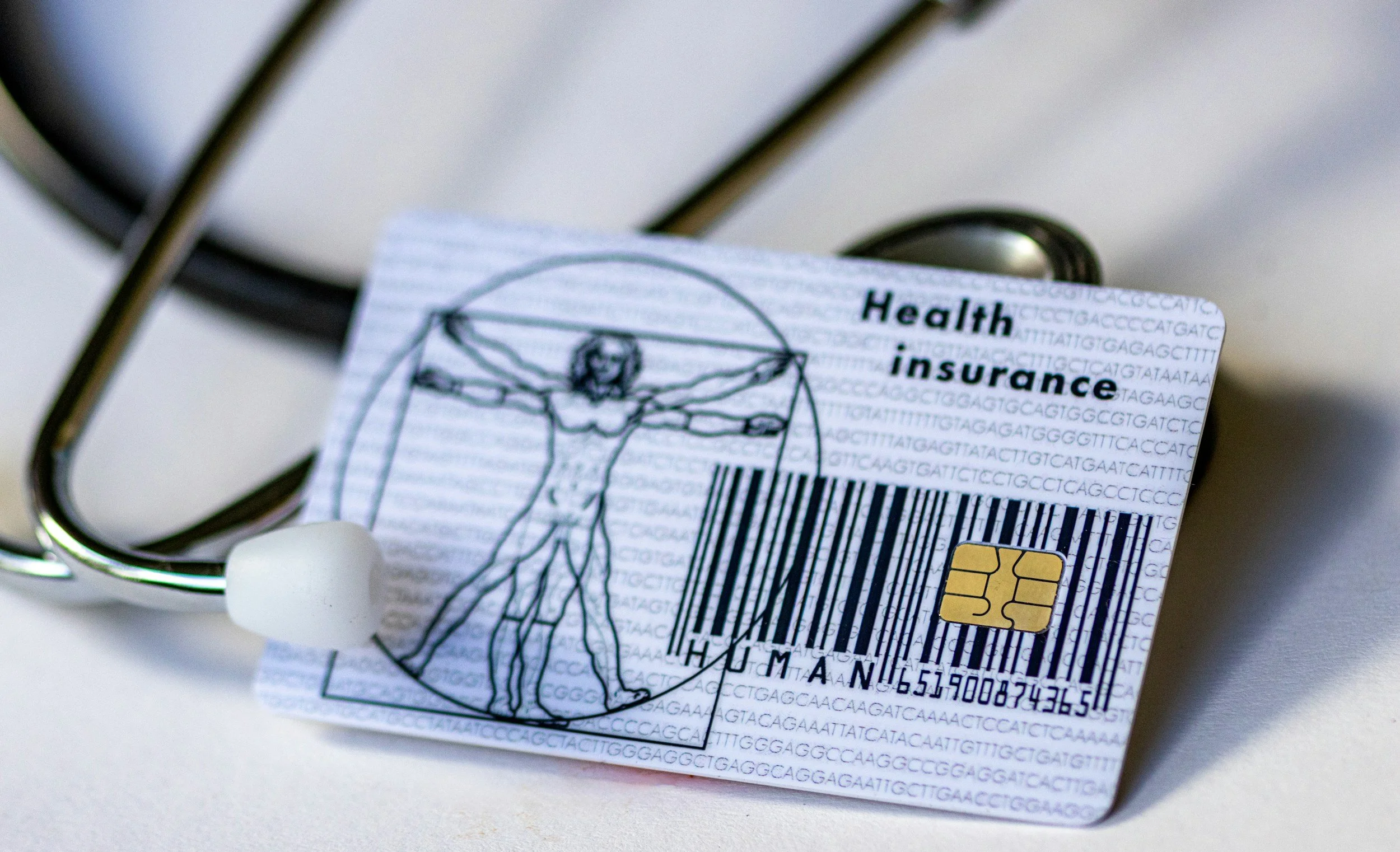
We know that health insurance in America is hard to come by without paying a pretty penny, so most of us get our insurance paid for by our employer, but how did this come to be? Private health insurance began in the 1930s as a Great Depression lifeline, then really took off after World War II when employers—facing wage freezes—started offering benefits to attract workers. At the time? It seemed brilliant. A safety net. The beginning of something good… Plot twist: It became something very different.
The Numbers Tell a Story
The Price Evolution:
1930s: Health insurance cost about $12 per year
2025: Employer-based insurance costs $27,000 per year
That's 240 times more expensive (not 240% more—240 times more)
Last year alone, premiums jumped 6% while wages stayed basically flat
Who's Left Out:
27-30 million Americans remain uninsured (US Census Bureau)
Without employer coverage, individual insurance is often financially out of reach
One job change or layoff can completely upend your healthcare access
The Good News (Yes, There's Some!):
The Affordable Care Act cut uninsured rates nearly in half—from 16% to 8-9%
Millions gained coverage who couldn't get it before
Pre-existing conditions can no longer be used to deny coverage
The Catch:
Even with insurance, deductibles and out-of-pocket costs can be overwhelming
You pay premiums monthly, then often pay significant amounts when you actually need care
The ACA remains politically vulnerable despite helping millions
Medicaid Matters:
Covers low-income Americans with little to no cost—a genuine lifeline
New York's 2025-2026 Medicaid budget: $109.6 billion (up $7.7B from prior year)
The system works for millions, but it's constantly under budget pressure
The Prevention Opportunity We're Missing
Here's where it gets interesting: Instead of investing in keeping people healthy, we're focused on managing illness after it happens.
Why? Prevention requires thinking 10-20 years ahead. Political cycles run 2-4 years. The math doesn't work.
But Some Places Get It:
New York spends $110 more per person on prevention than the national average
Result? Fewer expensive emergency interventions down the line
Yes, taxes are higher—but the investment pays off in healthier communities
The Big Picture
National debt: $37 trillion
Healthcare's share: ~20% of the entire US economy
What we could do differently: Shift even a fraction of that spending toward prevention, food access, and early intervention
We're not doomed—we're at a crossroads. And that's actually exciting, because crossroads mean choices.
Let's Get Real: Your Turn
Here's what I'm curious about:
If you could redesign one thing about health insurance in America, what would it be? More emphasis on prevention? Price transparency? Universal coverage? Something else entirely?
I want to hear your ideas—especially if you've found creative ways to navigate the current system or if you live somewhere doing it better.
Drop your thoughts below. 👇
P.S. Some states and cities are experimenting with innovative approaches to healthcare access and prevention. The future isn't written yet—and that means we still get to shape it. What role will you play?
