
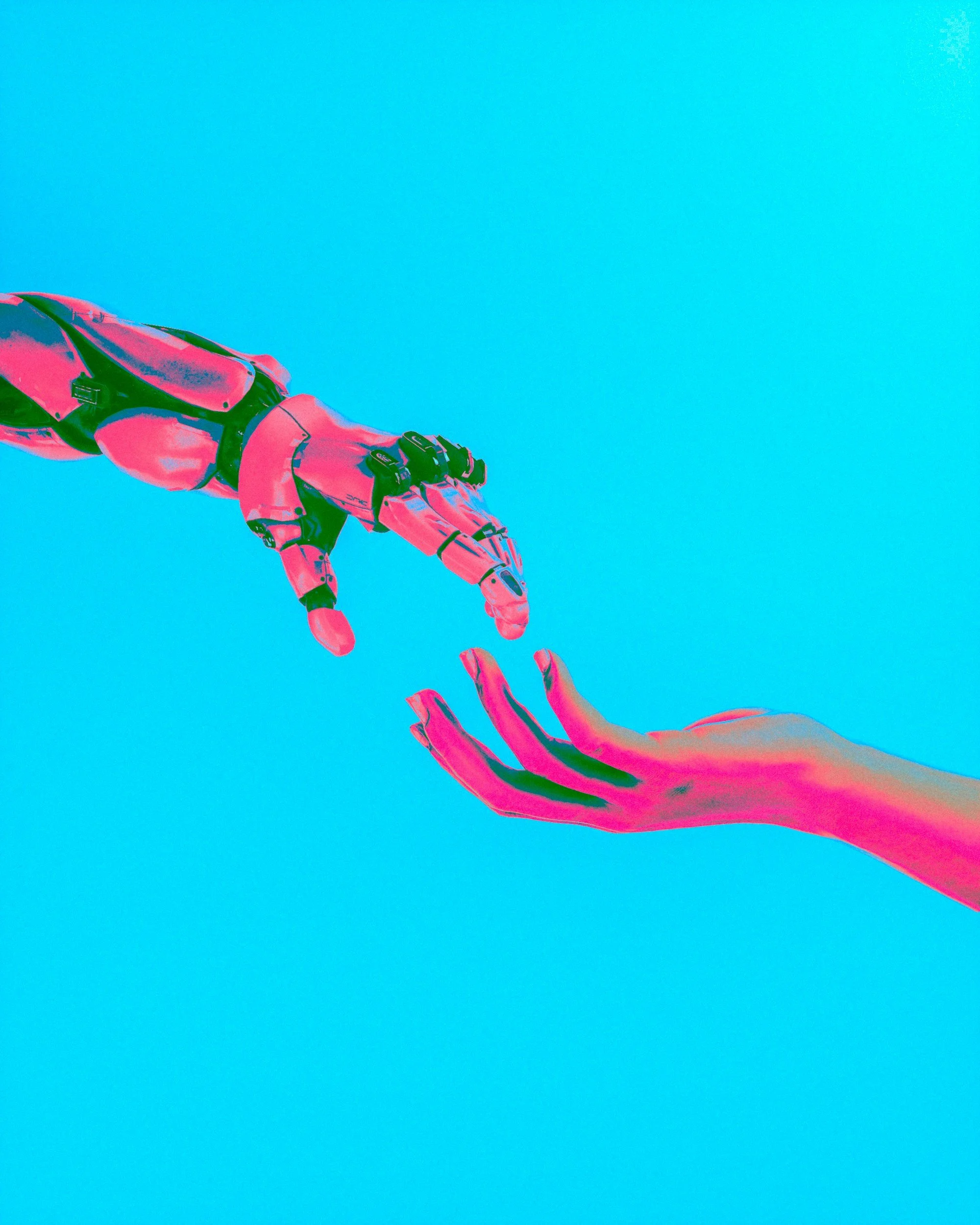
We are living in an era where the answer to almost any health question is just a prompt away. Curious about how to manage blood sugar, looking for a quick meal plan, or wondering if a specific supplement is right for you? ChatGPT and other AI tools are increasingly becoming the first place people turn for guidance. But how accurate will the response be?
But as a registered dietitian, I often find myself answering a very important question: “Can I actually trust the advice my AI chatbot is giving me?”
A recent article from EatingWell put this to the test, and the results provide a much-needed perspective on the role of artificial intelligence in our health journeys. Here is what we know about the strengths, the pitfalls, and why technology will never quite replace the human touch of clinical expertise.
The Promise of AI: Where It Excels
Let’s be clear—AI is an impressive tool. Its strength lies in its ability to synthesize massive amounts of data in seconds. If you are looking for general, evidence-based information, AI can be a helpful assistant. It is generally excellent at:
Explaining foundational concepts: If you need a definition of fiber, the benefits of probiotics, or a breakdown of different macronutrients, it can provide clear, concise information.
Providing meal inspiration: If you have chicken, kale, and sweet potatoes in your fridge and need an idea for dinner, AI can generate creative recipes in seconds.
Structuring basics: It is great at creating generic templates, like a basic 2,000-calorie meal plan or a list of high-protein snacks.
The Missing Piece: Why Context Matters
While AI can give you information, it cannot give you wisdom. Nutrition is not just about the numbers; it is about the person behind those numbers. When you rely solely on a chatbot, you are missing out on the critical elements that a registered dietitian provides:
1. Your Unique Medical History
AI doesn’t know your health history, your current medications, or potential nutrient deficiencies. It cannot interpret how a specific food might interact with your specific health condition or current treatment plan.
2. Personalized Nuance
Nutrition is rarely black and white. What works for one person could be completely counterproductive for another. A dietitian looks at your lifestyle, your stress levels, your cooking habits, and your personal goals to create a plan that fits your life, not just a generic algorithm.
3. Accuracy and Accountability
AI can occasionally "hallucinate" information—meaning it may cite studies that don’t exist or misinterpret complex nutritional guidelines. In the hands of someone trying to manage a chronic condition, this can be misleading or even dangerous. Furthermore, AI cannot provide the accountability and emotional support that is often the key to long-term success.
How to Use Tech Wisely
I’m not suggesting you delete your AI apps! They can be a great starting point for gathering information or getting past "recipe block." The key is to treat that information as a draft, not a prescription.
Use it for inspiration: Let AI handle the grocery list generation or quick meal ideas.
Verify the facts: If you find a "health tip" on an AI, take a moment to cross-reference it with a trusted source, like a registered dietitian or an evidence-based medical website.
Lean on experts for the "Why": If you are trying to change your body, manage a condition, or improve your energy levels, use that technology to help you, but consult with a professional to ensure your approach is safe, sustainable, and specifically designed for you.
Your Health Deserves More Than a Chatbot
Technology can be a fantastic companion, but it is not a replacement for clinical care. Your health is complex, and your path to wellness is unique.
If you’ve been feeling overwhelmed by conflicting nutrition advice—whether from a chatbot or the internet at large—it’s time to move toward a plan that is built for you.
Have a health question that a chatbot couldn't answer? Let’s create a nutrition plan tailored specifically to your needs and lifestyle.
