
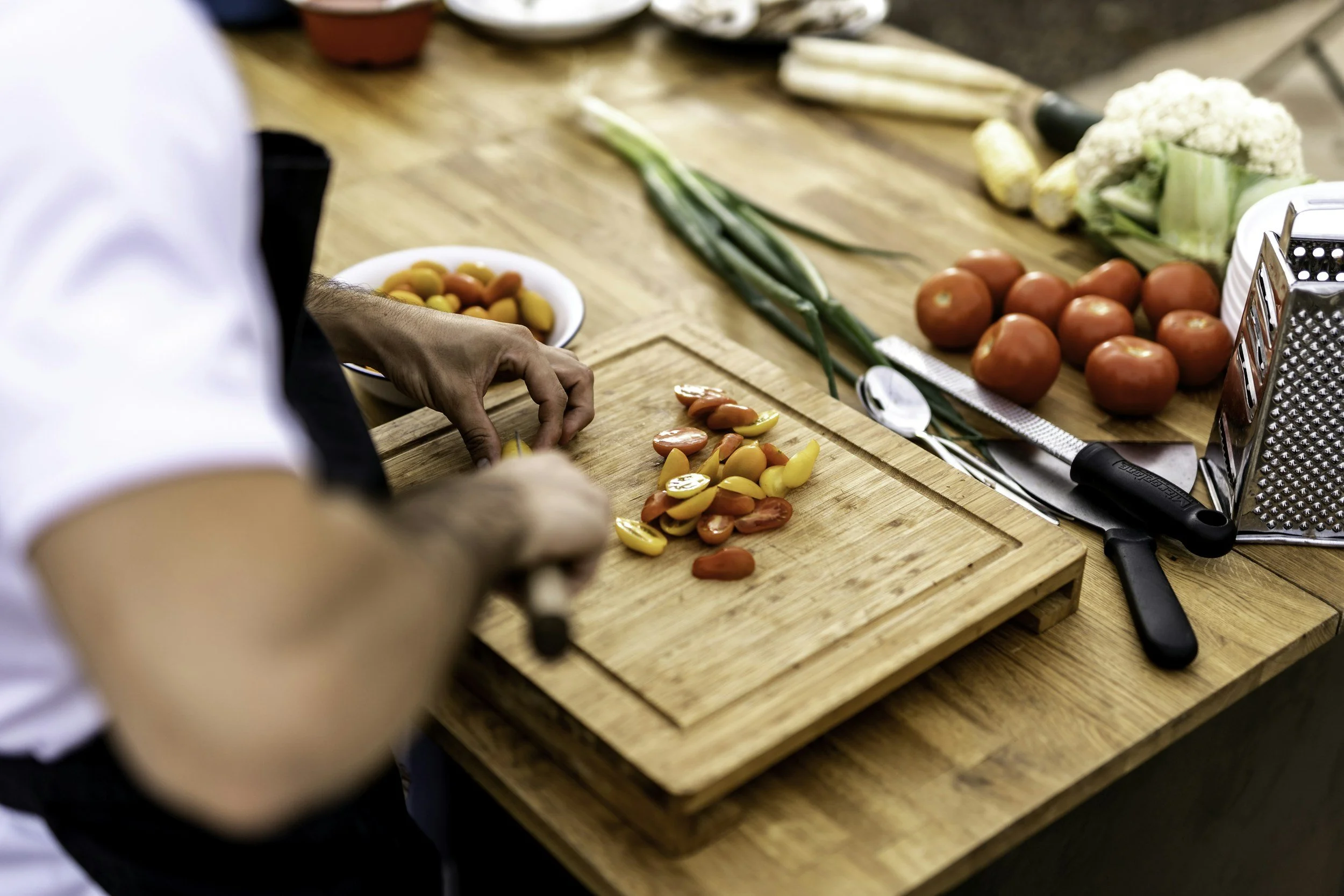
Cooking for yourself can be wonderfully simple, but it can also feel like more effort than it’s worth. Recipes often make four or six servings, grocery shopping for one can lead to food waste, and the thought of cooking—and cleaning up—after a long day may send you straight to a snack or takeout menu.
But a solo dinner doesn’t have to be elaborate to feel satisfying. A few time-saving staples, a flexible meal formula, and a small effort to make the meal feel inviting can turn dinner into a moment you look forward to.
Start with a simple meal formula
Instead of searching for a new recipe every night, use a basic template:
Grain + protein + produce + a flavorful finishing touch
For example:
Microwavable rice, black beans, frozen corn, and salsa
Couscous, rotisserie chicken, bagged spinach, and pesto
A baked potato, canned tuna or chickpeas, and a side salad
Air-fried tofu, frozen vegetables, and a microwaveable grain packet
This approach gives you enough structure to make a balanced meal, while still leaving room to use what you already have. You don’t need a different recipe for every combination—think of these ingredients as building blocks.
Make convenience foods work for you
Convenience foods can make it much easier to cook at home, especially when you’re preparing just one portion. Microwavable rice and grain packets, canned beans, frozen vegetables, bagged salads, pre-cut produce, and ready-to-eat proteins can all reduce prep time.
Choose the options that make cooking feel more manageable. Frozen vegetables are often just as useful as fresh ones, and they’re less likely to spoil before you get around to using them. Canned beans can be rinsed and added to a bowl, soup, or salad in minutes. A prepared sauce—such as pesto, salsa, or a favorite dressing—can make a simple meal taste finished with very little effort.
Convenience is not a failure of cooking. It’s a tool that can help you make a meal when time, energy, or motivation is limited.
Put your air fryer to work
An air fryer is a handy option for cooking a small portion without heating up a full-sized oven. It can crisp vegetables, cook a piece of fish or chicken, warm up leftovers, or prepare tofu with minimal hands-on time.
For an easy dinner, add seasoned vegetables and a protein to the air fryer, then serve them with microwavable rice, toast, or a baked potato. Cooking times vary by appliance and ingredient, so follow your air fryer’s instructions and make sure foods reach a safe temperature.
If you’re cooking just for yourself, you may also appreciate not having to wash a large sheet pan or several pots afterward. A quick rinse of the basket—once it’s cool—is often all that’s needed.
Keep cleanup small
The fewer dishes a meal creates, the easier it can be to repeat the habit. Try one-pan meals, microwave-steamed vegetables, or bowls that use the same dish for serving and eating. Parchment paper or an air-fryer liner designed for your appliance can make cleanup easier; always use liners according to the manufacturer’s directions.
If you’re considering disposable cookware, it can be useful occasionally—such as when you’re short on time or preparing food in a temporary kitchen. For everyday cooking, reusable cookware or washable liners are often more economical and create less waste.
It can also help to clean as you go. Put away ingredients while food cooks, and soak a pan or utensil as soon as you’re done using it. A couple of small habits can keep the end-of-meal cleanup from feeling like a second chore.
Shop with a plan for one
Shopping for one doesn’t mean you need to buy a single-serving package of everything. Choose ingredients that can be used in more than one meal. A bag of spinach might go into a bowl one night and an omelet the next; a can of beans can be added to a grain bowl, soup, or salad.
Frozen produce, canned foods, and ingredients with a longer shelf life can help reduce food waste. You can also freeze extra portions of bread, cooked grains, or proteins so they’re ready for another meal. Before shopping, take a quick look at what you already have and choose a few meals that share ingredients.
The goal isn’t to plan every bite perfectly. It’s to make it easier to use what you buy—and to have a few dependable options ready when you don’t feel like starting from scratch.
Make the meal feel like a moment for yourself
A meal can be quick and still feel special. Put your food on a plate or in a bowl you like, sit somewhere comfortable, and give yourself a few minutes to enjoy it. You might turn on music, light a candle, or eat away from your work area.
This doesn’t need to become another task on your list. The point is simply to treat your own meal as worth sitting down for. Cooking for one can be practical, nourishing, and pleasant—all at the same time.
Make your routine work for you
You don’t need to cook from scratch every night to take care of yourself. Keep a few easy staples on hand, use shortcuts that genuinely help, and choose meals that fit your energy and schedule. Some nights, that might mean an air-fried dinner bowl; other nights, it might be leftovers or a simple snack plate.
If you’d like support building a realistic eating routine around your preferences and goals, book an appointment with me today to create a personalized plan.
